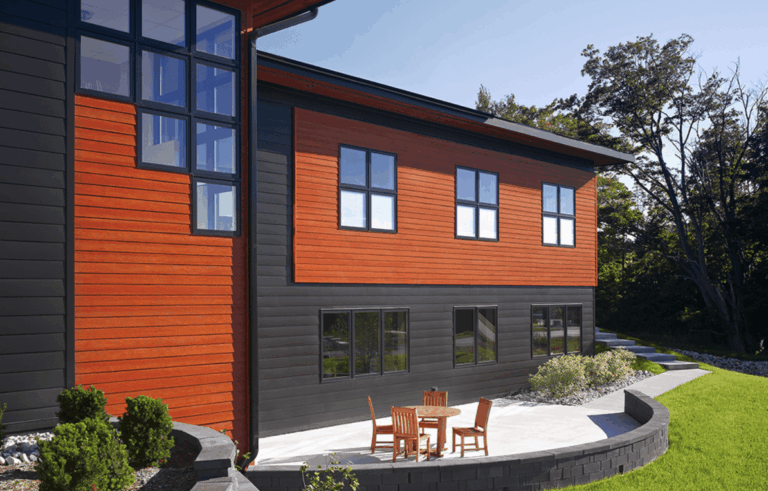
Siding for House The Complete Guide to Durable, Stylish, and Energy-Efficient Home Exteriors
Siding for a house refers to the protective exterior cladding installed on residential buildings to shield the structure from weather, pests, and environmental damage. It is not just about aesthetics; siding plays a vital role in insulation, energy efficiency, and long-term durability. Modern siding comes in various materials, including vinyl, fiber cement, wood, engineered wood, and composite products, each offering unique benefits.
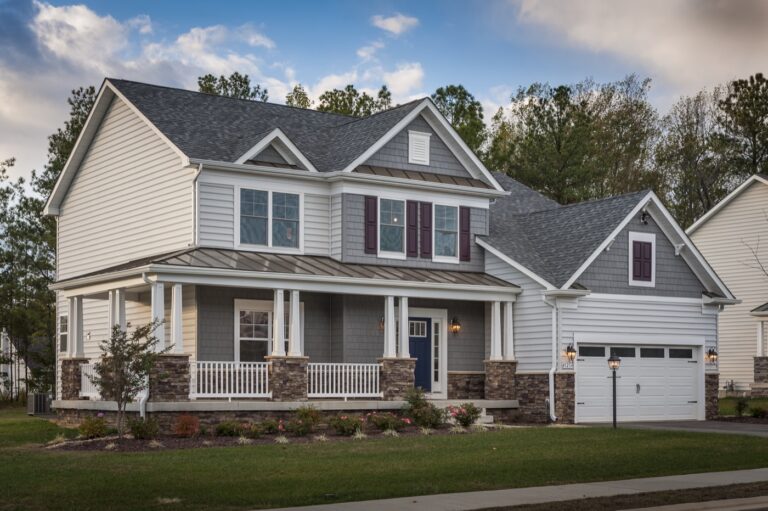
Homeowners choose siding not only for its functional properties but also for its ability to dramatically enhance curb appeal. A well-selected siding solution can transform the exterior look of a home, increase its resale value, and reduce long-term maintenance costs. White, gray, and earth-tone siding are particularly popular because of their versatility and timeless appeal.
Common Materials and Technologies
Siding for houses today incorporates advanced materials and technology to improve performance. Vinyl siding is lightweight, low-maintenance, and resistant to moisture. Fiber cement siding offers fire resistance, durability, and a realistic wood appearance. Engineered wood and composite siding provide strength and weather resistance while mimicking the look of traditional materials.
Manufacturers integrate UV inhibitors, impact-resistant formulations, and insulation backing into siding products. These technologies prevent fading, cracking, and energy loss, providing a siding system that lasts decades while reducing heating and cooling costs. Modern siding also includes interlocking panels that enhance wind resistance and prevent water infiltration.
Benefits of Siding for a House
Long-Term Protection and Low Maintenance
Siding for houses protects the underlying structure from rain, snow, wind, and pests. Unlike untreated wood, modern siding does not rot, warp, or attract insects. Vinyl and fiber cement options are particularly durable and require minimal maintenance, saving homeowners both time and money.
A simple annual cleaning with mild soap and water is usually sufficient to keep the siding looking new. This eliminates the need for repainting or frequent repairs, making it an ideal solution for busy homeowners or those investing in long-term property value.
Energy Efficiency and Climate Performance
High-quality siding for houses can improve energy efficiency significantly. Many products feature insulated backing that reduces heat transfer and minimizes air leaks. This helps maintain consistent indoor temperatures and reduces energy costs, especially in climates with extreme heat or cold.
The color of siding also affects energy performance. Lighter tones reflect sunlight, reducing cooling costs in hot climates, while darker tones can absorb heat in cooler regions. By selecting the right siding material and finish, homeowners can achieve both aesthetic appeal and functional energy savings.
Real-World Siding for House Products
James Hardie HardiePlank Fiber Cement Siding

James Hardie HardiePlank Fiber Cement Siding provides a strong, fire-resistant alternative to wood and vinyl. The Arctic White finish is designed to retain color without frequent repainting.
Its ColorPlus technology ensures a durable baked-on finish, making it resistant to chipping and fading. Fiber cement siding is perfect for areas with extreme weather or fire-prone regions, offering long-lasting protection while mimicking real wood aesthetics.
Georgia-Pacific Compass Vinyl Siding
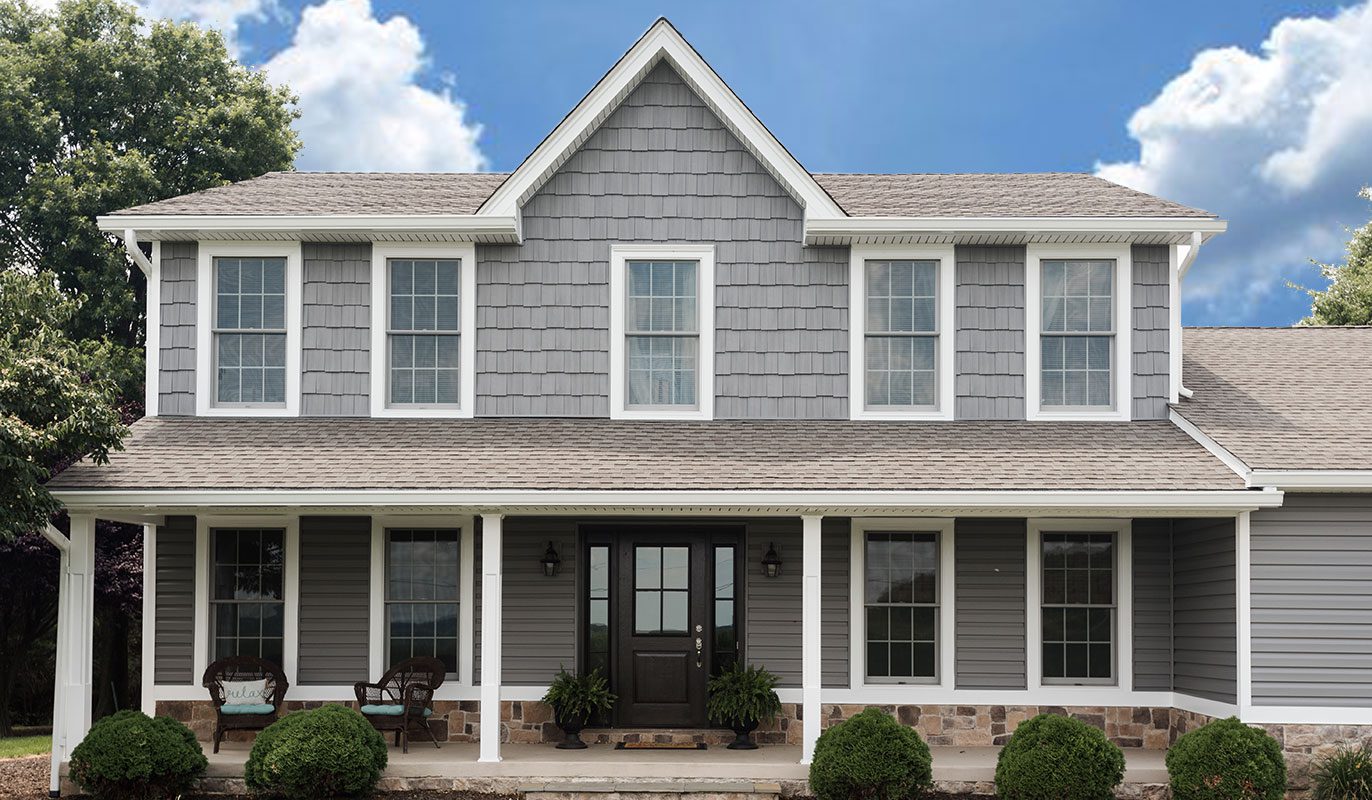
Georgia-Pacific Compass Vinyl Siding is an affordable, yet durable, option for homeowners. Its crisp white panels offer a clean, timeless look that fits both modern and traditional homes.
The siding features reinforced nail hems and impact-resistant construction, making it suitable for areas with high winds. It is lightweight, easy to install, and offers excellent resistance to moisture and UV damage.
Alside Charter Oak Vinyl Siding
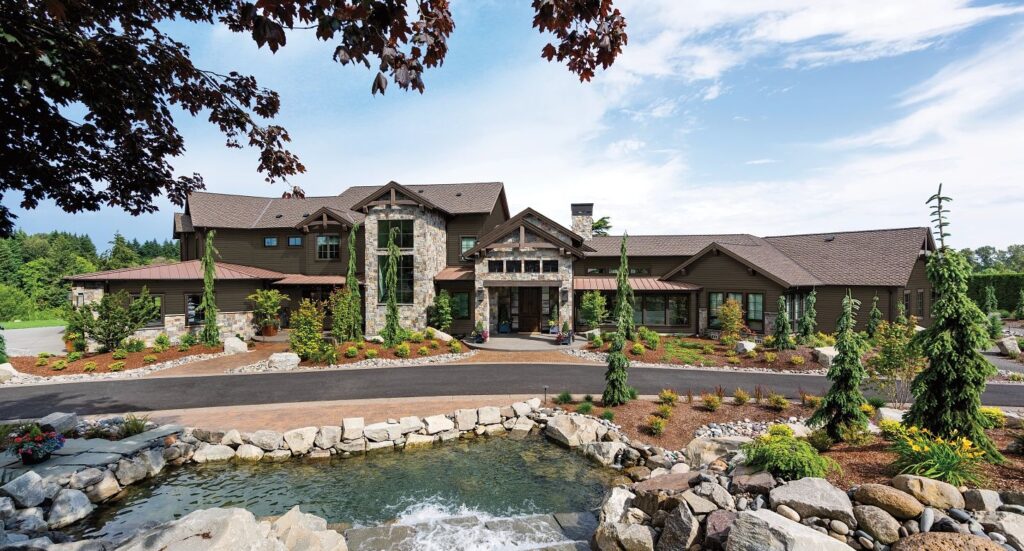
Alside Charter Oak Vinyl Siding is engineered to mimic real wood grain while providing the low-maintenance benefits of vinyl. Its advanced locking system ensures panel stability in high-wind conditions.
The colonial white or soft beige finish adds warmth and elegance to residential homes. Alside Charter Oak is a reliable choice for homeowners seeking traditional aesthetics combined with modern durability.
Ply Gem Royal Estate Vinyl Siding
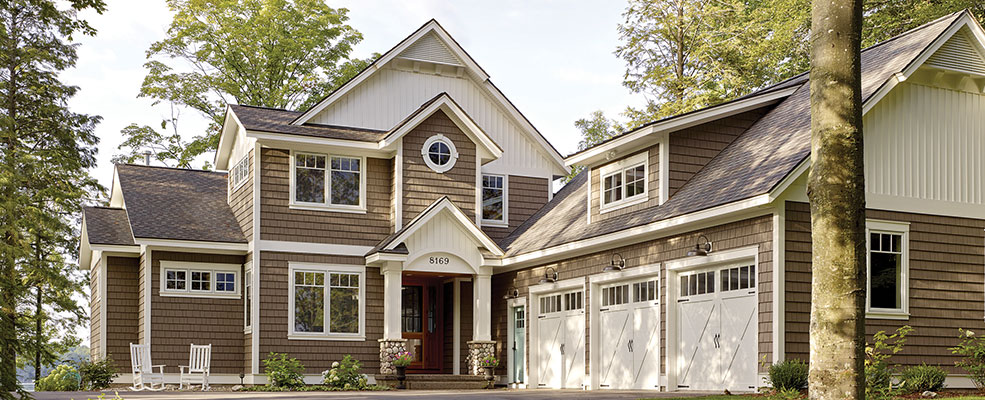
Ply Gem Royal Estate Vinyl Siding is a luxury siding option offering architectural depth and dimensional panels. The thicker profiles create dramatic shadow lines, enhancing exterior beauty.
Its insulated options improve thermal performance and energy efficiency, making it ideal for upscale homes. Ply Gem Royal Estate siding provides long-term durability and a high-end appearance for homeowners who want both style and functionality.
Use Cases and Problems Siding for House Solves
Protecting Homes from Weather Damage
Many homeowners face recurring issues such as water infiltration, wood rot, and pest infestation due to inadequate exterior protection. Siding for houses solves these problems by creating a strong, weather-resistant barrier that prevents moisture and insects from reaching the structural components of a home.
Modern siding materials like vinyl and fiber cement are engineered to withstand high winds, hail, and heavy rain. This reduces costly repairs and keeps homes safe, comfortable, and visually appealing for decades.
Enhancing Home Value and Market Appeal
Siding improvements directly impact property value. A fresh, modern siding upgrade attracts potential buyers, improves curb appeal, and signals that the property has been well-maintained.
For homeowners planning to sell or refinance, investing in high-quality siding can yield a strong return on investment. Updated siding reduces the need for immediate repairs, making the home more marketable and appealing.
Benefits of Specific Siding Products
CertainTeed Monogram
CertainTeed Monogram’s thick, reinforced panels offer durability and long-term color retention. The product reduces maintenance requirements and is ideal for homes in windy or storm-prone areas. Its deep panel profile adds architectural beauty that elevates curb appeal.
James Hardie HardiePlank
Fiber cement siding is fire-resistant, impact-resistant, and requires minimal upkeep. HardiePlank offers a premium look without the vulnerability of wood siding, providing homeowners with peace of mind and long-term performance.
Georgia-Pacific Compass
This siding’s lightweight panels make installation faster and more cost-effective. Reinforced construction improves wind resistance, and its moisture and UV protection ensure long-lasting appearance and performance.
Alside Charter Oak
The realistic wood grain finish of Alside Charter Oak provides the aesthetic appeal of traditional wood while avoiding common problems like rot, warping, and insect damage. Its advanced locking system also provides extra stability in harsh weather conditions.
Ply Gem Royal Estate
Ply Gem Royal Estate combines high-end architectural appeal with energy efficiency. Insulated panels reduce energy loss, while the dimensional design enhances the exterior’s overall visual impact.
How to Buy Siding for a House
Where to Buy Online and Locally
Siding for a house can be purchased through manufacturer websites, local distributors, or home improvement retailers. Buying directly from reputable sources ensures authentic products, warranty coverage, and professional support.
Online shopping allows homeowners to compare styles, pricing, and installation options conveniently. Local suppliers may offer delivery, installation guidance, and consultations to ensure proper product selection.
Tips for Selecting the Right Siding
When buying siding, consider material type, panel thickness, insulation, climate suitability, and warranty coverage. Consult professional installers to ensure the siding meets local building codes and will perform optimally in your environment.
Frequently Asked Questions
1. What is the best siding for house exteriors?
The best siding depends on your priorities. Vinyl siding is low maintenance and affordable, fiber cement siding is durable and fire-resistant, and engineered wood offers a traditional wood look with improved durability.
2. How long does house siding last?
High-quality siding can last 25–50 years, depending on the material and maintenance. Vinyl and fiber cement options typically require minimal upkeep and provide long-term durability.
3. Can siding increase my home’s resale value?
Yes. Installing high-quality siding enhances curb appeal, protects the structure, and signals proper maintenance, which can significantly increase home value and marketability.