How to Replace a Few Shingles: Expert Guide and Product Recommendations
Replacing damaged or missing shingles is crucial for maintaining your roof’s protection. Even a small section of compromised shingles can lead to water infiltration, mold, and structural damage if left unaddressed. Fortunately, homeowners can often replace a few shingles themselves or hire professionals for minor repairs, saving money compared to a full roof replacement.
Understanding the process, the right materials, tools, and products ensures that your roof remains functional and aesthetically pleasing. This guide covers everything you need to know about replacing a few shingles, including benefits, product options, practical use cases, and buying tips.
Why It’s Important to Replace a Few Shingles
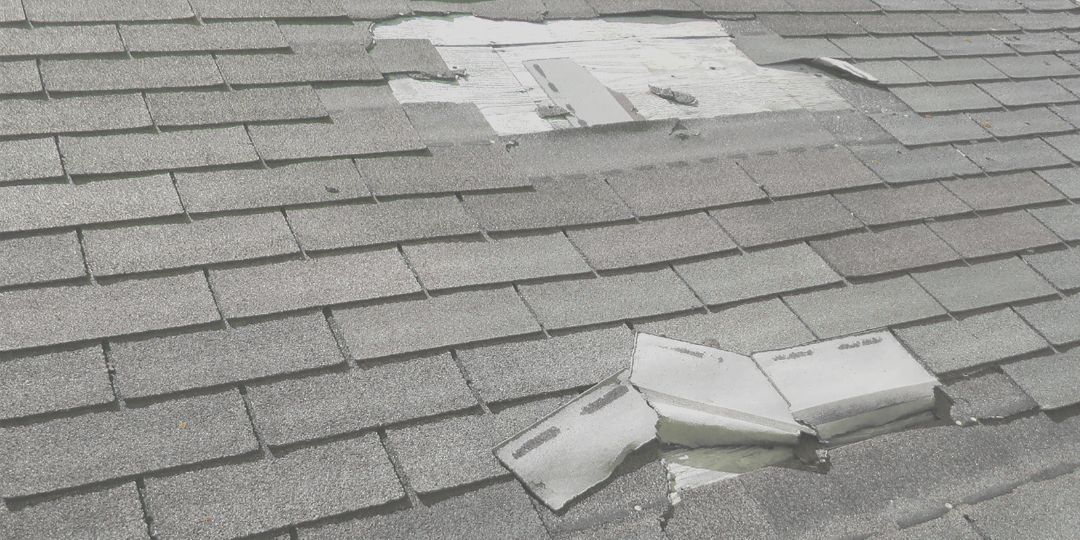
Shingles act as the first barrier against weather, UV rays, and temperature fluctuations. Even one missing or damaged shingle can allow water to seep under the roof deck, leading to wood rot, insulation damage, or mold growth. Replacing only the affected shingles is a cost-effective solution when damage is localized.
In addition to protection, replacing damaged shingles enhances your home’s appearance. A few mismatched or broken shingles can significantly affect curb appeal, while timely replacement maintains property value. Moreover, small repairs prevent costly full roof replacements in the future, making this a smart and practical approach.
Factors to Consider Before Replacing Shingles
Material Type and Compatibility
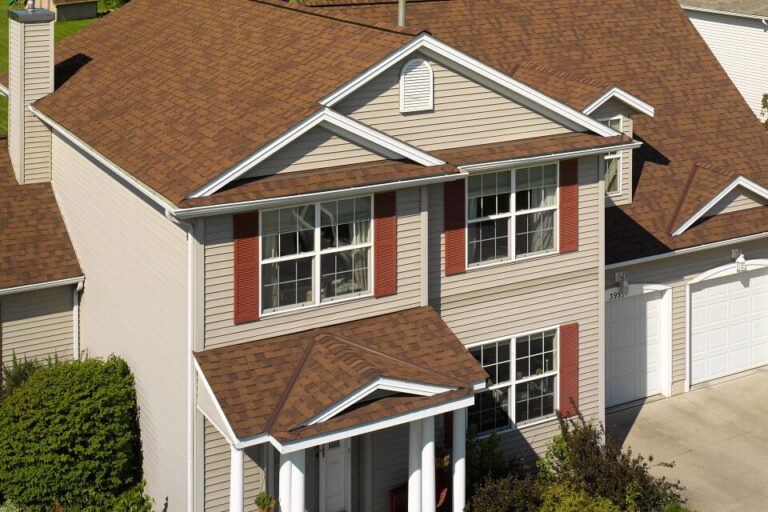
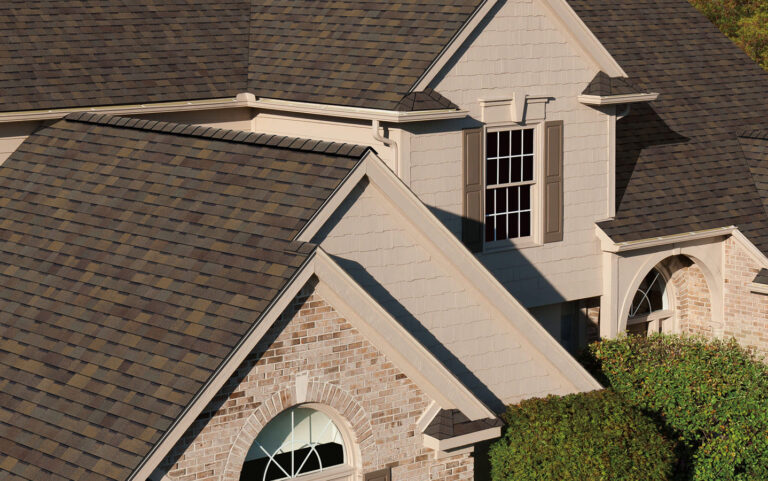
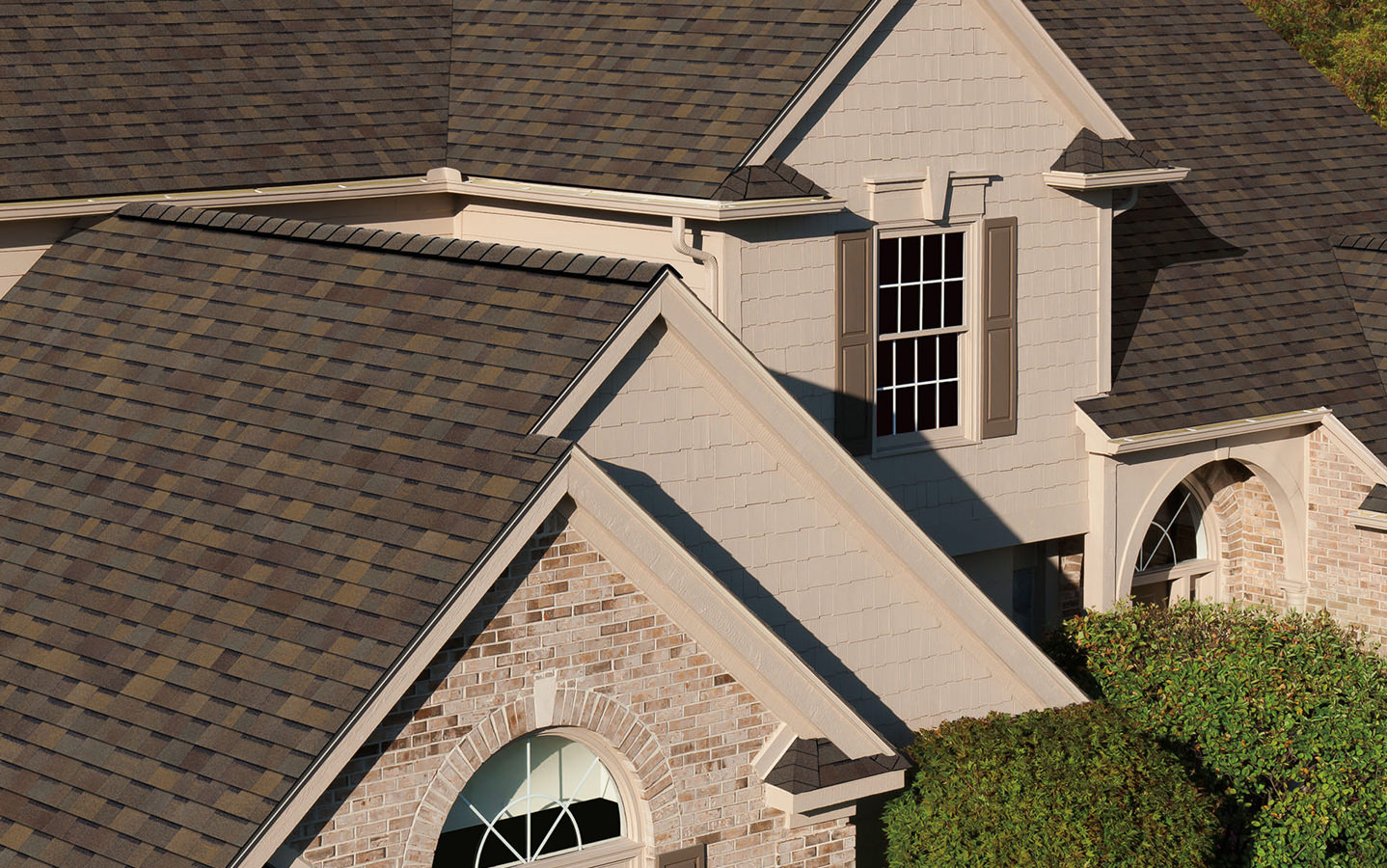
The first factor to consider is matching the material and style of your existing roof. Most residential roofs use asphalt shingles due to affordability, durability, and ease of installation. Architectural shingles, also called dimensional shingles, are thicker and layered, offering better durability and a premium look.
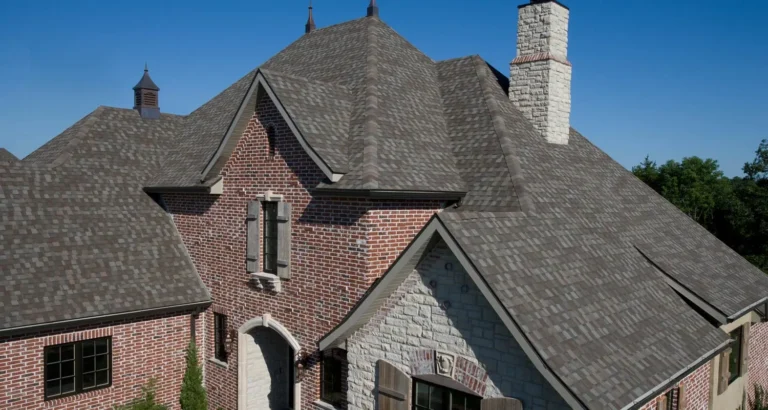
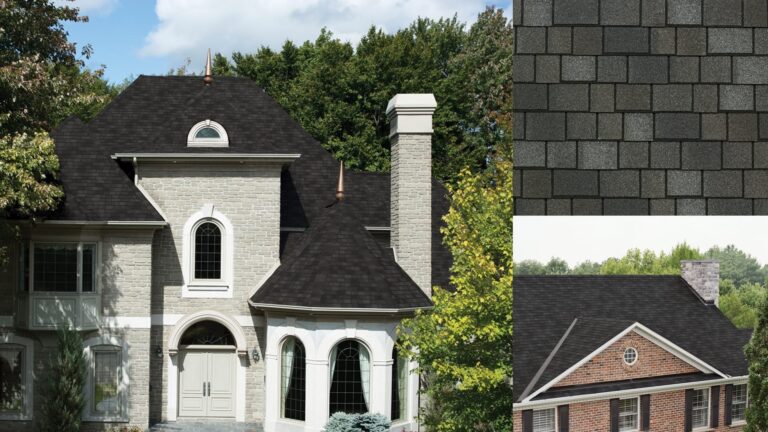
Matching the color and style ensures that the repaired area blends seamlessly with the rest of the roof. Failing to match materials may reduce aesthetic appeal and potentially affect resale value. Therefore, always check your current roof material before purchasing replacement shingles.
Roof Accessibility and Safety
Replacing shingles requires safe access to your roof. Steep or high roofs may require ladders, scaffolding, or professional assistance. Always prioritize safety: wear non-slip shoes, use harnesses if needed, and avoid working during rain or icy conditions.
Additionally, assess the surrounding area for obstacles, such as vents, skylights, or chimneys. Complexity affects installation time and may require specialized tools like roofing knives, pry bars, or shingle adhesive.
Step-by-Step Process to Replace a Few Shingles
Replacing shingles involves several steps, from removing damaged shingles to securing the new ones.
-
Inspect and Identify Damaged Shingles – Look for curling, cracking, or missing shingles. Check for water stains or granule loss, which indicates underlying damage.
-
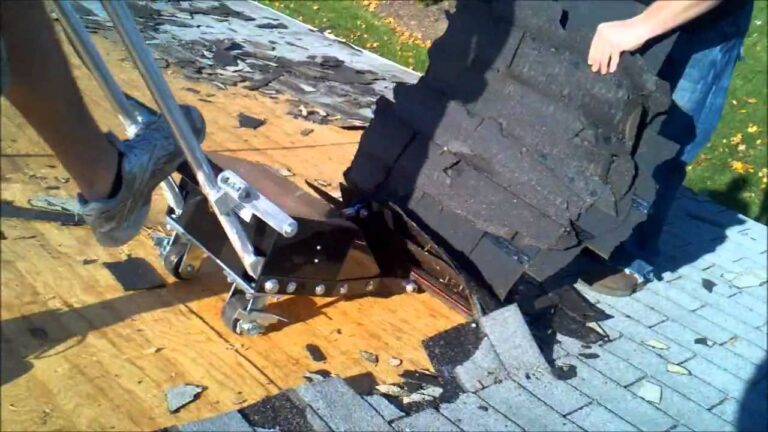
Remove Damaged Shingles – Use a pry bar to gently lift the surrounding shingles. Remove nails and damaged pieces carefully to avoid harming adjacent shingles.
-
Install Replacement Shingles – Slide the new shingle into place, ensuring it aligns with existing shingles. Nail it securely and apply roofing adhesive if necessary to reinforce.
-
Seal and Inspect – Apply roofing cement or sealant around nail heads to prevent leaks. Inspect the area to ensure proper alignment and secure attachment.
Replacing a few shingles requires patience and precision, but doing it correctly can restore your roof’s protection for years.
Benefits of Replacing a Few Shingles
Cost-Effective Roof Maintenance
Replacing only the damaged shingles is significantly less expensive than a full roof replacement. You save money on materials, labor, and disposal costs while still maintaining roof integrity.
This approach also allows homeowners to delay a full replacement until it becomes necessary, spreading out expenses and reducing financial strain. Small repairs are an investment in the longevity of your roof.
Increased Home Protection
Even minor damage can allow water penetration, which leads to mold, rot, and insulation problems. By replacing a few shingles promptly, homeowners maintain a watertight roof and protect their home’s structural integrity.
In addition, modern shingles are engineered to resist wind, hail, and UV damage. Using upgraded shingles during repairs increases durability and reduces the risk of future problems.
Enhanced Energy Efficiency
New shingles, particularly reflective or energy-efficient models, can reduce heat absorption and improve insulation. This reduces the workload on HVAC systems, lowers energy bills, and keeps indoor spaces more comfortable.
Replacing shingles with modern materials during minor repairs can contribute to long-term energy savings, even if only a few are replaced.
Top Products for Replacing a Few Shingles
Owens Corning TruDefinition Duration Shingles
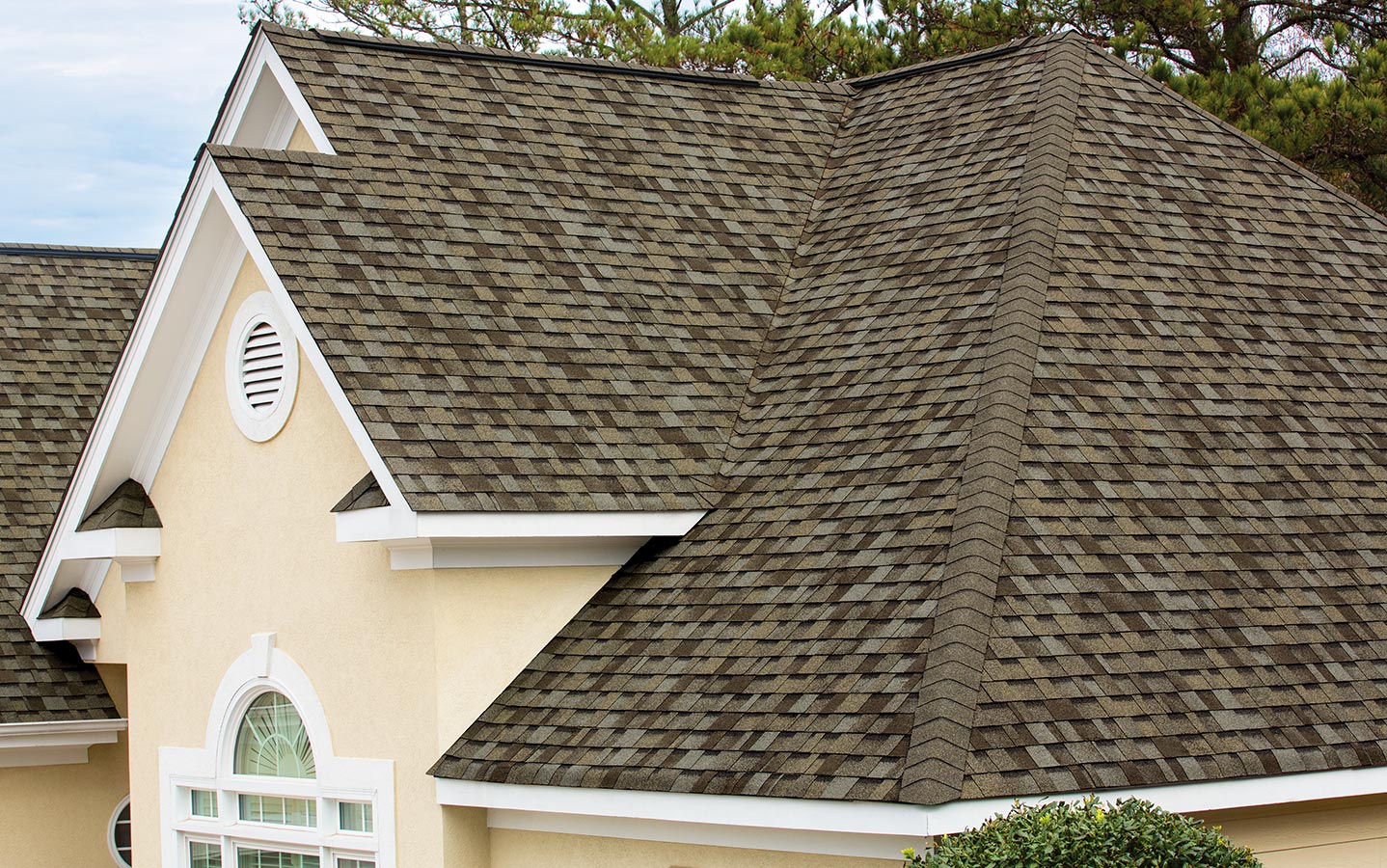
Owens Corning TruDefinition Duration Shingles offer SureNail technology for improved fastening and enhanced wind resistance. They resist algae and maintain consistent color, ensuring your repair blends with the existing roof. These shingles are ideal for small replacement projects.
GAF Timberline HDZ Shingles
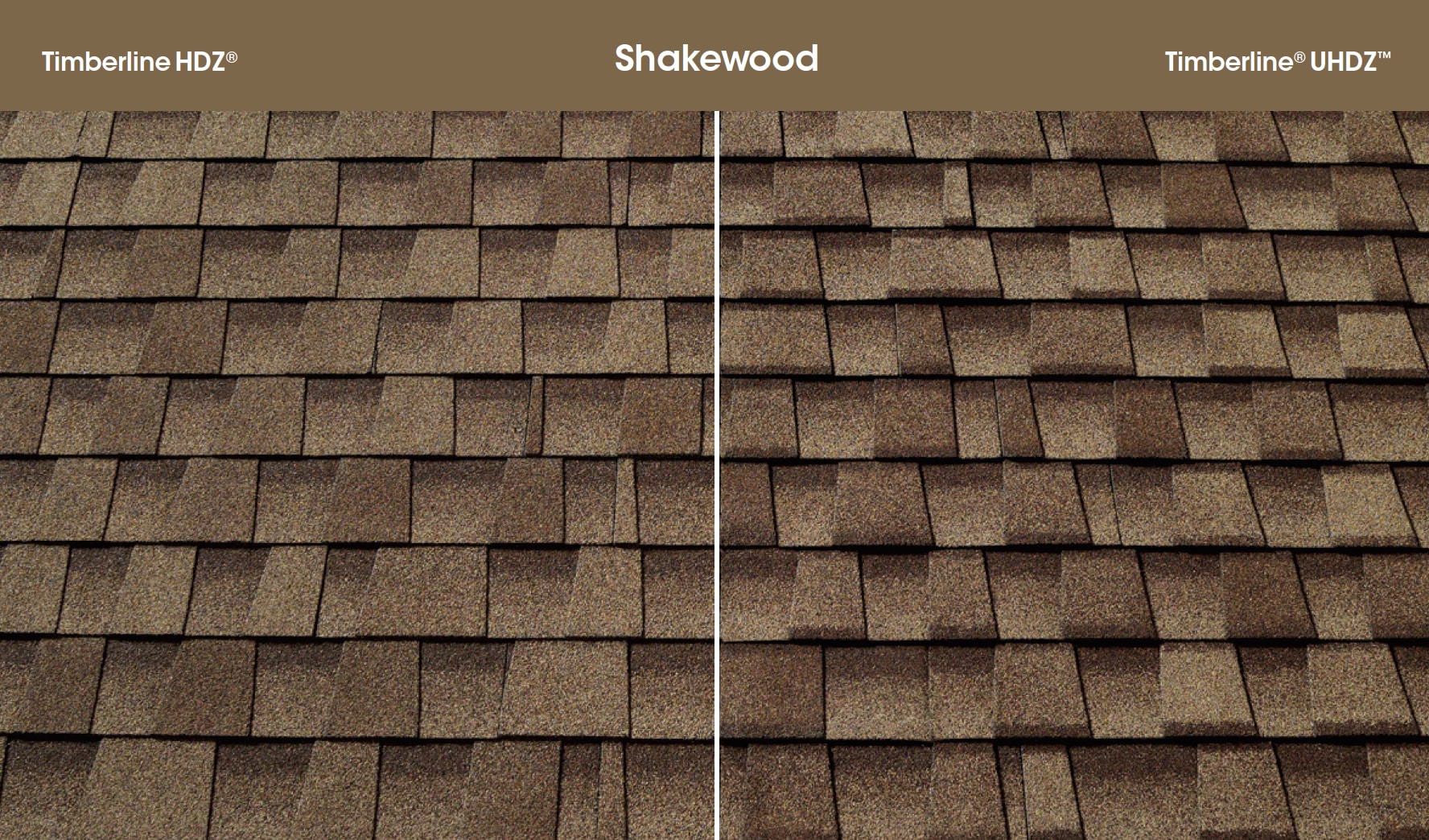
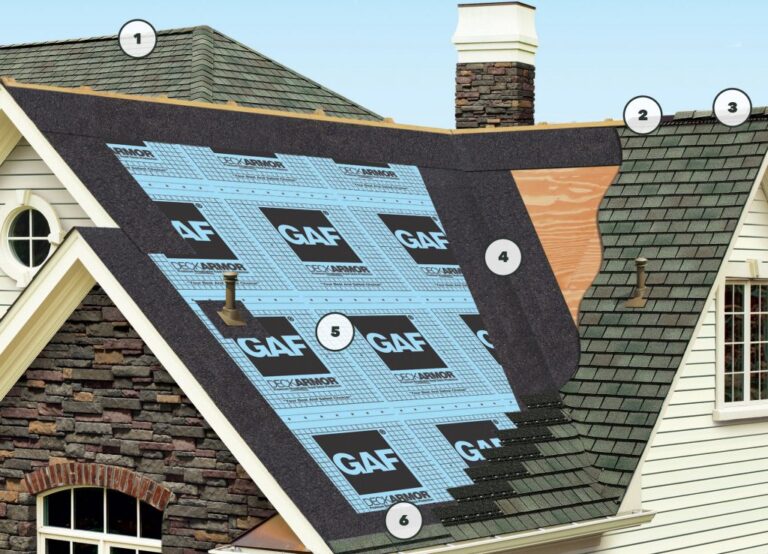
GAF Timberline HDZ Shingles feature a proprietary LayerLock system that ensures each shingle stays securely in place. Available in a variety of colors, they are highly durable and provide excellent weather resistance. Perfect for homeowners needing localized repairs.
CertainTeed Landmark Shingles

CertainTeed Landmark Shingles provide a dual-layer construction for extra durability. Their wide range of colors ensures a close match with existing shingles. Landmark shingles are widely recognized for reliability and premium performance.
IKO Cambridge Architectural Shingles

IKO Cambridge Shingles offer strong wind resistance and dimensional design at a competitive price. They are easy to install, making them an excellent choice for replacing a few shingles efficiently.
Use Cases: When to Replace a Few Shingles
Storm Damage Repairs
Storms often dislodge shingles or cause localized damage. Replacing only the affected shingles restores protection without replacing the entire roof. This is particularly useful after hail, wind, or heavy rainfall.
Aging Roof Sections
Older roofs may have isolated areas showing wear, such as curling or granule loss. Replacing a few shingles in these spots extends roof life and prevents more extensive repairs.
Cosmetic Improvements
Even minor damage can affect your home’s curb appeal. Replacing damaged shingles with matching materials keeps your roof looking uniform and well-maintained.
How and Where to Buy Shingles
Homeowners can purchase shingles from:
-
Local home improvement stores (Home Depot, Lowe’s)
-
Manufacturer websites (Owens Corning, GAF, CertainTeed)
-
Trusted online retailers (Amazon, RoofingSupply.com)
Always verify product authenticity and warranty coverage. Consider your roof’s slope, climate, and material type before purchasing. Buying from reputable sources ensures durability and protects your investment.
Frequently Asked Questions
Q1: Can I replace a few shingles myself?
Yes. Homeowners can replace a few shingles safely if the roof is accessible and tools are available. However, steep or high roofs may require professional assistance for safety.
Q2: How much does it cost to replace a few shingles?
Replacing a few shingles is much cheaper than a full roof replacement. Costs depend on shingle type, brand, and labor, but minor repairs are generally affordable.
Q3: How long will replaced shingles last?
Modern asphalt and architectural shingles can last 20–30 years, depending on material quality and climate conditions.