Hardie Siding Homes: Durable, Stylish, and Low-Maintenance Exteriors
Hardie siding homes have become synonymous with durability, aesthetic versatility, and long-lasting performance. James Hardie’s fiber cement siding offers homeowners a superior alternative to traditional wood, vinyl, and aluminum sidings. With its resilience, low maintenance, and customizable design options, Hardie siding is a top choice for both new constructions and home renovations.
In this guide, we will explore the benefits of Hardie siding, highlight top products, explain how they solve common siding problems, and provide a step-by-step guide on where and how to buy for your home.
What Is Hardie Siding?
Understanding Fiber Cement Technology
Hardie siding is primarily composed of fiber cement, a mixture of cement, sand, and cellulose fibers. This combination provides structural strength, durability, and resistance against common siding issues like rot, warping, insect damage, and extreme weather.
Unlike vinyl or wood, Hardie siding maintains its shape, color, and structural integrity over decades. Its engineered composition allows homeowners to achieve a traditional wood look, smooth finish, or even board-and-batten style without the typical maintenance requirements.
Different Styles of Hardie Siding
Hardie siding comes in several styles to suit different architectural aesthetics:
-
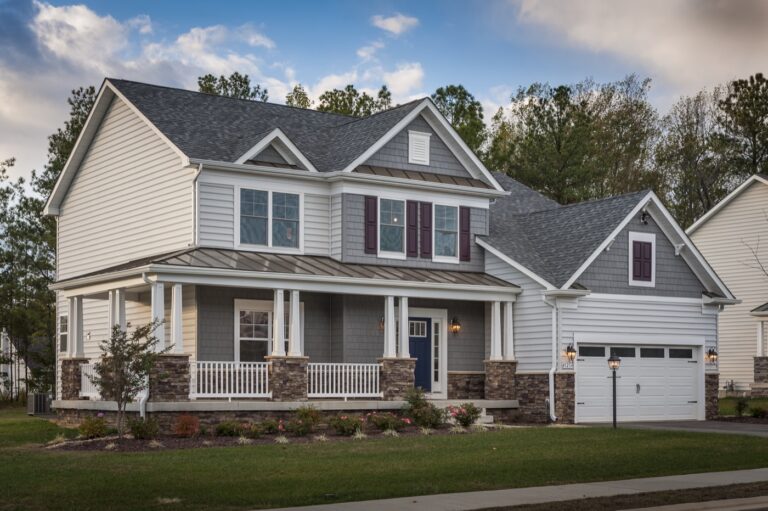
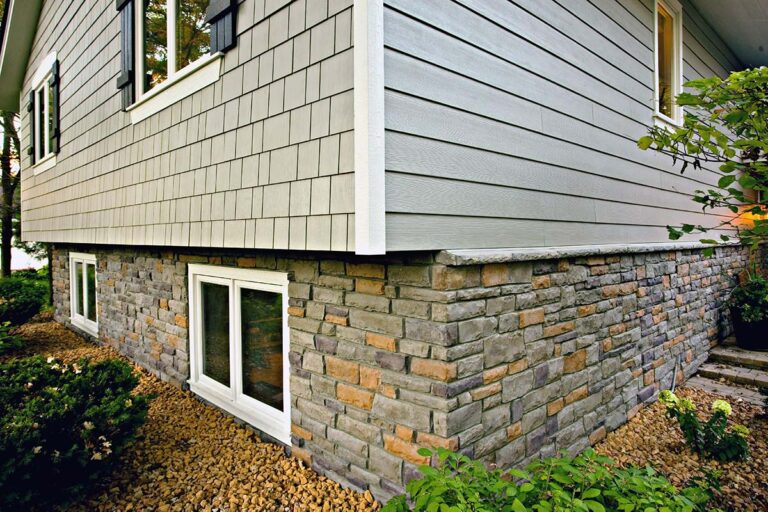
HardiePlank Lap Siding – Traditional horizontal lap siding for classic homes.
-
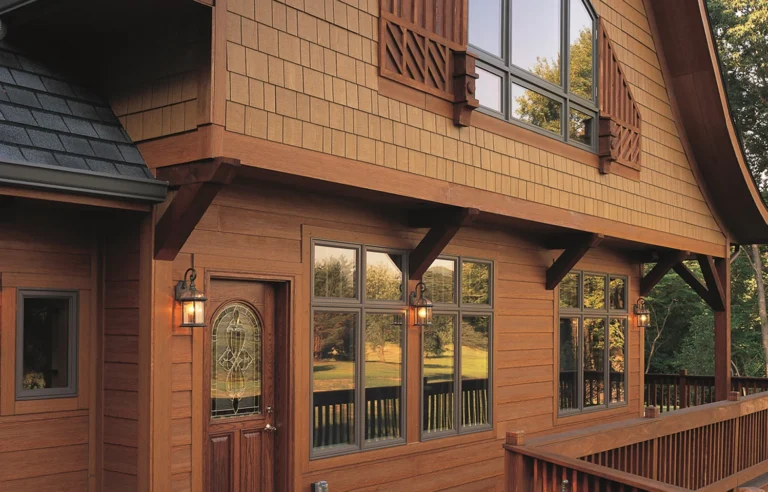
HardieShingle Siding – Shingle-style panels for a textured, rustic look.
-
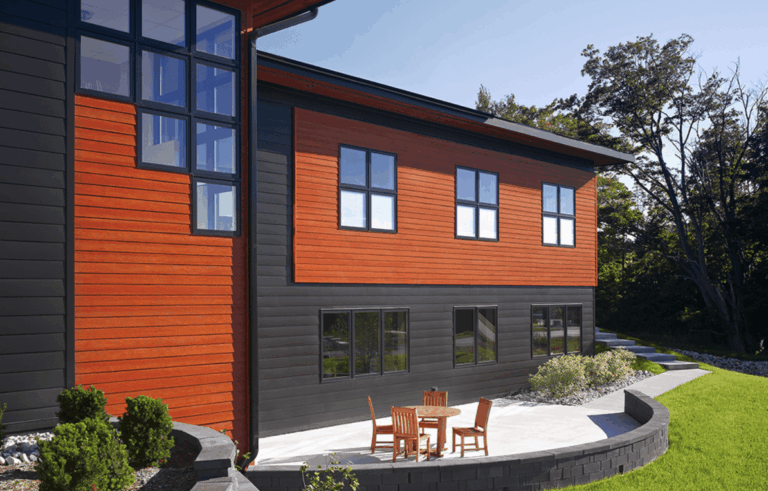
HardiePanel Vertical Siding – Modern vertical panels for contemporary homes.
-
HardieTrim Boards and Accents – To complement siding and enhance architectural details.
Each style provides the same fiber cement durability, low-maintenance benefits, and customizable color options.
Benefits of Hardie Siding Homes
Long-Lasting Durability
Hardie siding is engineered to last 30–50 years or more. Its fiber cement composition resists cracking, splitting, and warping even in extreme weather, making it ideal for regions with harsh winters, heavy rain, or high humidity.
This long-lasting durability minimizes repair and replacement costs, providing homeowners with an excellent return on investment while maintaining aesthetic appeal.
Fire Resistance and Safety
Fiber cement siding is non-combustible, providing a critical layer of protection against fire. For homeowners in wildfire-prone areas, Hardie siding offers peace of mind without compromising design or style.
Proper installation also ensures tight seams and secure panels, further protecting your home from potential fire hazards and improving overall safety.
Low Maintenance Requirements
Unlike wood siding, Hardie siding requires minimal maintenance. It does not rot, warp, or succumb to insect infestations. Periodic cleaning is usually sufficient to keep it looking new.
This low-maintenance benefit saves homeowners both time and money, making it a smart choice for those seeking beauty without ongoing upkeep.
Curb Appeal and Aesthetic Versatility
Hardie siding enhances a home’s exterior with clean lines, rich textures, and customizable colors. Homeowners can choose from a wide palette of pre-finished colors or apply custom paints for a personalized look.
Its versatile design options allow it to complement any architectural style, from classic cottages to modern urban homes, boosting curb appeal and potentially increasing property value.
Energy Efficiency and Comfort
When paired with modern insulation systems, Hardie siding can improve energy efficiency. Its tight installation reduces air infiltration, helping maintain consistent indoor temperatures and reducing heating and cooling costs.
For homeowners, this means a more comfortable living space while lowering long-term energy expenses.
Technology Behind Hardie Siding
Fiber Cement Composition
Hardie siding combines cement, sand, and cellulose fibers, producing panels that are strong, flexible, and resistant to environmental stressors. Advanced manufacturing techniques, including high-pressure curing, enhance durability and structural integrity.
Many Hardie siding products feature ColorPlus Technology, a baked-on finish that retains vibrant color for decades and reduces fading caused by UV exposure.
Environmentally Responsible
Fiber cement siding is an eco-friendly choice. The materials are sustainable, non-toxic, and recyclable. Homeowners seeking environmentally responsible siding options can rely on Hardie products to minimize environmental impact without sacrificing quality or aesthetics.
Top Hardie Siding Products for Homes
James Hardie HardieShingle Siding
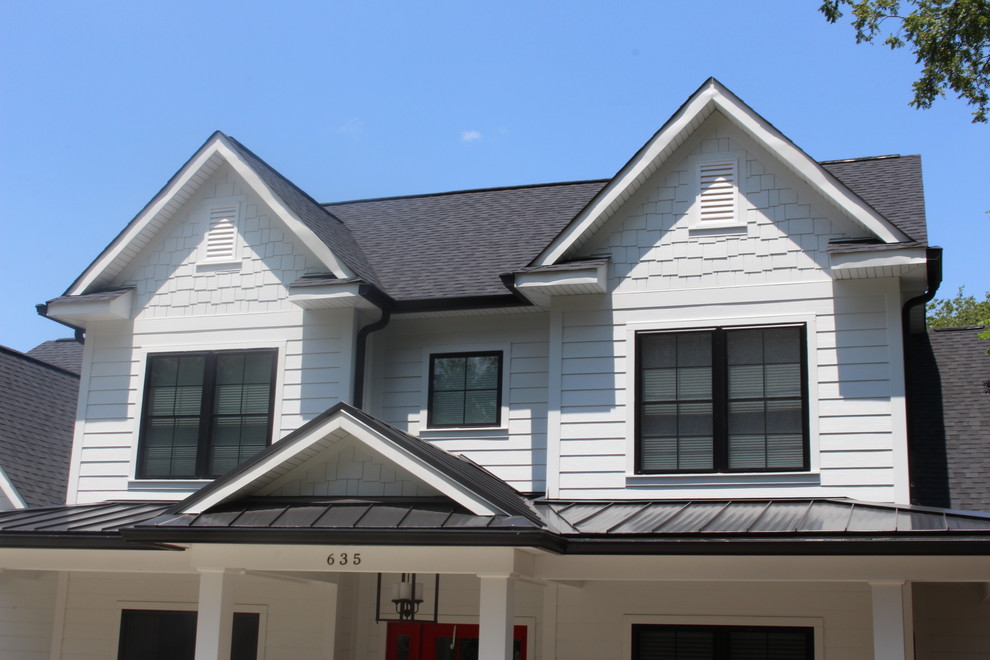
James Hardie HardieShingle Siding mimics the appearance of natural cedar shingles, providing a textured, rustic finish.
Benefits and Use Case
HardieShingle solves issues like moisture absorption and fading, common in traditional shingle siding. Its fire-resistant, low-maintenance design ensures long-lasting performance for homes in coastal or high-humidity areas.
James Hardie HardiePanel Vertical Siding
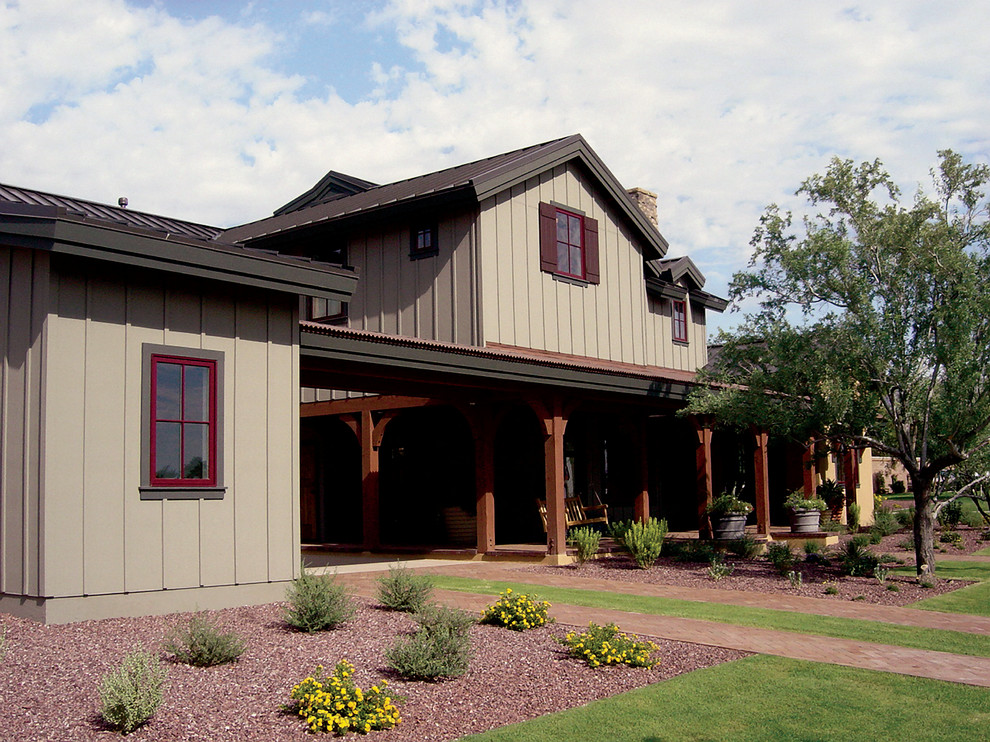
James Hardie HardiePanel Vertical Siding offers a contemporary vertical panel option for modern homes.
Benefits and Use Case
HardiePanel resolves aesthetic and structural challenges of older vertical siding materials, providing a sleek, modern exterior with durable fiber cement protection against weather and pests.
James Hardie HardieTrim Boards
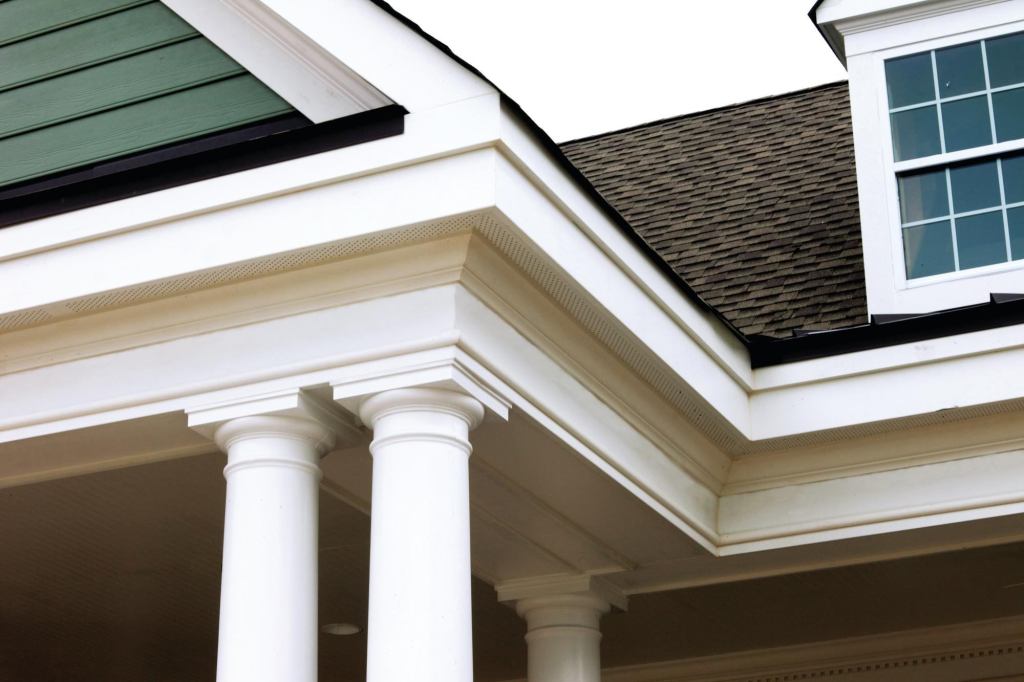
James Hardie HardieTrim Boards complement siding projects with durable, low-maintenance trim for corners, windows, and doors.
Benefits and Use Case
HardieTrim prevents water infiltration and rot around architectural edges. It ensures a polished, finished look while maintaining the structural integrity of the home.
James Hardie ColorPlus Technology
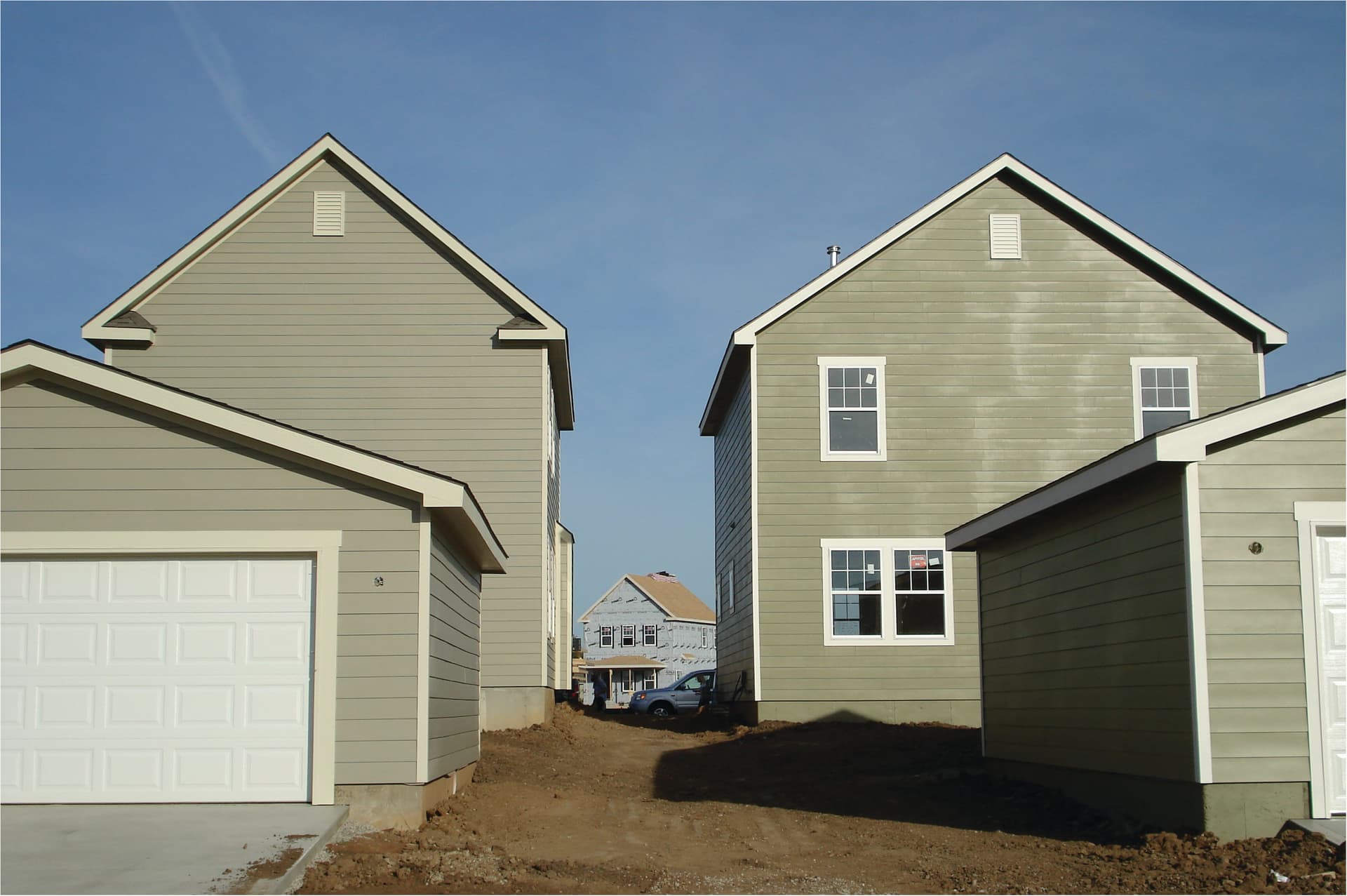
James Hardie ColorPlus Technology is a pre-finished paint system baked onto fiber cement panels for lasting vibrancy.
Benefits and Use Case
ColorPlus solves the problem of fading and peeling seen in traditional paint. Homeowners benefit from durable color that enhances curb appeal with minimal upkeep.
Why Homeowners Should Choose Hardie Siding
Solving Exterior Siding Challenges
Traditional siding options like wood and vinyl often fail due to moisture damage, warping, insect infestations, and frequent repainting. Hardie siding solves these problems by offering a durable, low-maintenance alternative.
Its fiber cement panels resist fire, rot, and pests while maintaining structural integrity, providing homeowners with a reliable, long-term siding solution.
Long-Term Financial and Aesthetic Benefits
While Hardie siding may have a higher upfront cost than vinyl or wood, it provides significant long-term savings due to its durability and low maintenance.
Additionally, its versatile design options improve curb appeal and property value, making it an investment that combines functionality, beauty, and financial sense.
How to Buy Hardie Siding
Steps to Select the Right Product
-
Determine your preferred style: lap, shingle, vertical panel, or trim.
-
Choose between pre-finished or custom paint options.
-
Consult certified contractors for installation guidance.
-
Evaluate warranties and long-term maintenance needs.
Where to Buy
Hardie siding is available through James Hardie authorized dealers, certified contractors, and major home improvement retailers. Many offer online ordering, professional installation, and pre-finished options.
Frequently Asked Questions
1. Is Hardie siding worth the investment?
Yes. Hardie siding offers long-term durability, low maintenance, fire resistance, and design versatility. While upfront costs may be higher than vinyl or wood, its longevity and minimal upkeep make it cost-effective.
2. How long does Hardie siding last?
With proper installation and maintenance, Hardie siding can last 30–50 years or more, retaining structural integrity, appearance, and color.
3. Can Hardie siding be painted or customized?
Yes. Hardie siding can be painted or finished using ColorPlus Technology, allowing homeowners to match custom colors or design preferences without compromising durability.