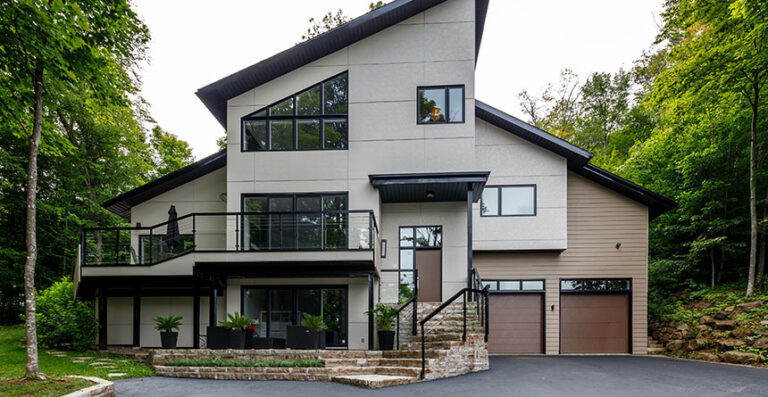
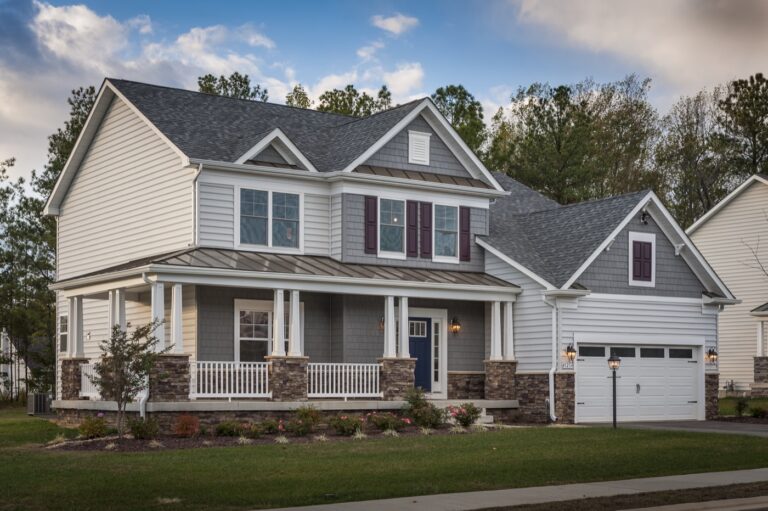
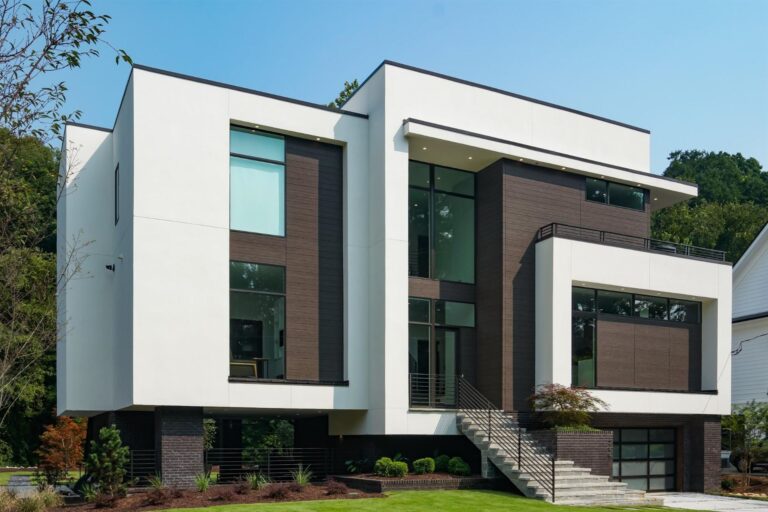
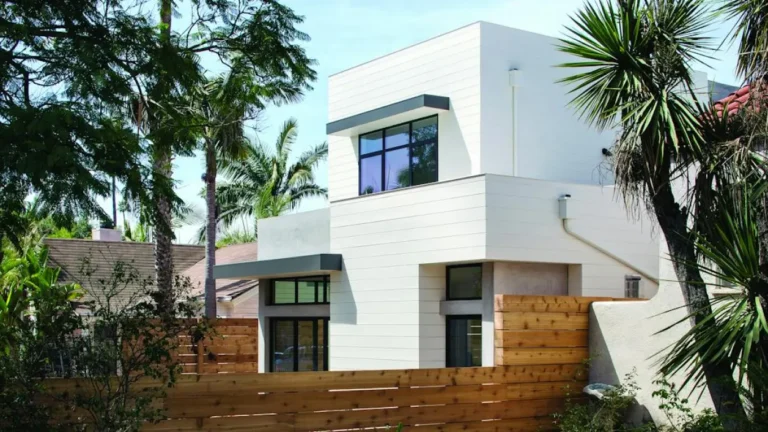
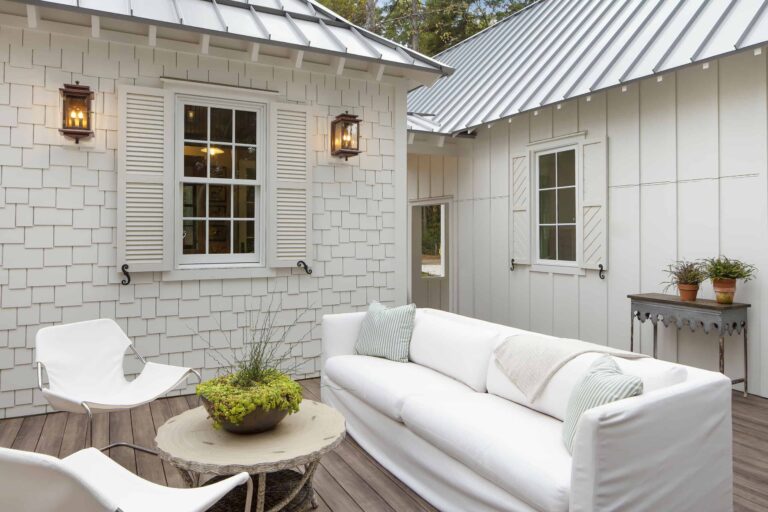
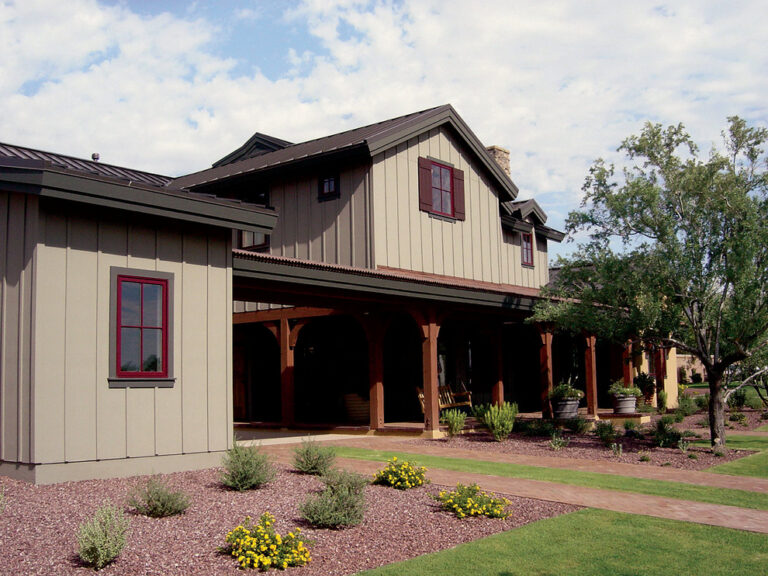
Dutch Lap Cement Siding Durable, Stylish, and Low-Maintenance Home Exteriors
Dutch lap cement siding is a premium fiber cement siding style that offers homeowners a blend of aesthetic appeal, durability, and low maintenance. Characterized by its beveled edge design, Dutch lap siding creates clean horizontal lines and shadow effects that enhance home exteriors.
This article explores the benefits, technology, top products, use cases, and step-by-step guidance on purchasing and installing. Whether building a new home or upgrading an existing exterior, this guide ensures informed decisions.
Understanding Dutch Lap Cement Siding
What Is Dutch Lap Cement Siding?
Dutch lap cement siding is made from fiber cement, a blend of cement, sand, and cellulose fibers. Unlike traditional wood siding, fiber cement resists rot, insects, warping, and extreme weather conditions.
The Dutch lap design features a beveled edge, giving the siding a classic, shadowed appearance. This profile enhances the visual depth of the walls, creating a high-end, architectural finish without the maintenance demands of wood.
Why Homeowners Choose Dutch Lap Cement Siding
Homeowners prefer for its long-lasting durability, aesthetic versatility, and low maintenance. Fiber cement siding holds up under harsh climates, rain, snow, hail, and sun, making it suitable for virtually any region.
In addition, Dutch lap siding comes pre-primed or pre-finished, which allows for easy painting or custom color matching. Its professional appearance adds significant curb appeal and improves overall property value.
Key Benefits of Dutch Lap Cement Siding
Long-Lasting Durability
Dutch lap cement siding is engineered to withstand decades of wear and tear. Its fiber cement composition prevents cracking, splitting, and warping even in extreme weather conditions.
This longevity translates into fewer replacements and lower long-term costs for homeowners. Unlike vinyl or wood siding, Dutch lap panels maintain their integrity and finish over decades.
Fire Resistance and Safety
Fiber cement is inherently non-combustible. Homes benefit from an additional layer of fire protection, which is especially important in wildfire-prone areas.
Installation by certified contractors ensures proper sealing and panel overlap, further reducing the risk of fire penetration and improving overall home safety.
Low Maintenance Requirements
Dutch lap cement siding eliminates the regular upkeep associated with wood siding. It does not require annual painting, staining, or treatments for pests. A simple wash every few years is sufficient to maintain its appearance.
The low-maintenance nature of fiber cement siding reduces both effort and cost for homeowners, making it a smart long-term investment.
Aesthetic Appeal and Customization
The beveled edges of Dutch lap siding create shadow lines that add depth and character to a home’s exterior. Available in a variety of textures, colors, and finishes, Dutch lap siding allows homeowners to achieve the exact look they desire from classic wood aesthetics to contemporary smooth panels.
This versatility ensures homeowners can customize the exterior without compromising on performance or durability.
Energy Efficiency and Comfort
When combined with modern insulation materials, contributes to energy efficiency. It helps prevent heat loss during winter and reduces cooling costs in summer, improving overall indoor comfort.
Energy-efficient siding installation can also enhance the home’s value and reduce utility expenses over time.
Technology Behind Dutch Lap Cement Siding
Fiber Cement Composition
Dutch lap cement siding relies on fiber cement technology, combining cement, sand, and cellulose fibers. This composition provides both structural integrity and flexibility.
High-pressure curing and autoclaving during manufacturing increase panel strength and resistance to cracking, shrinking, or swelling. Many products also feature pre-finished surfaces or ColorPlus Technology for long-lasting color and UV protection.
Sustainable and Environmentally Responsible
Fiber cement siding is environmentally responsible. Panels are recyclable, non-toxic, and produced using sustainable processes, making Dutch lap siding a green choice for eco-conscious homeowners.
Choosing this siding helps reduce environmental impact without sacrificing durability or aesthetic appeal.
Top Dutch Lap Cement Siding Products
James Hardie HardiePlank Lap Siding
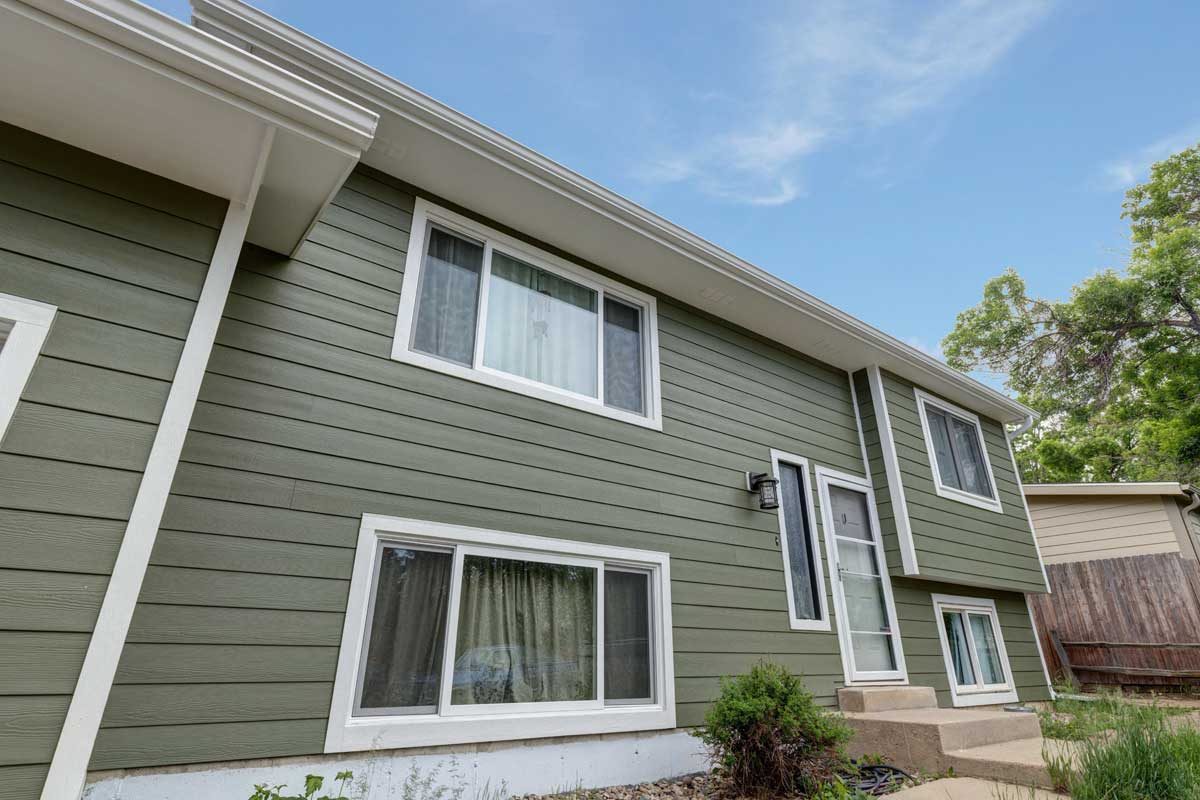
James Hardie HardiePlank Lap Siding is a top choice for Dutch lap applications. The fiber cement panels provide the classic beveled edge look combined with unmatched durability.
Benefits and Use Case
HardiePlank solves problems like rot, insect damage, and fading that occur with wood siding. Its low-maintenance design makes it ideal for homeowners who want classic aesthetics with modern performance.
Allura Fiber Cement Dutch Lap Siding
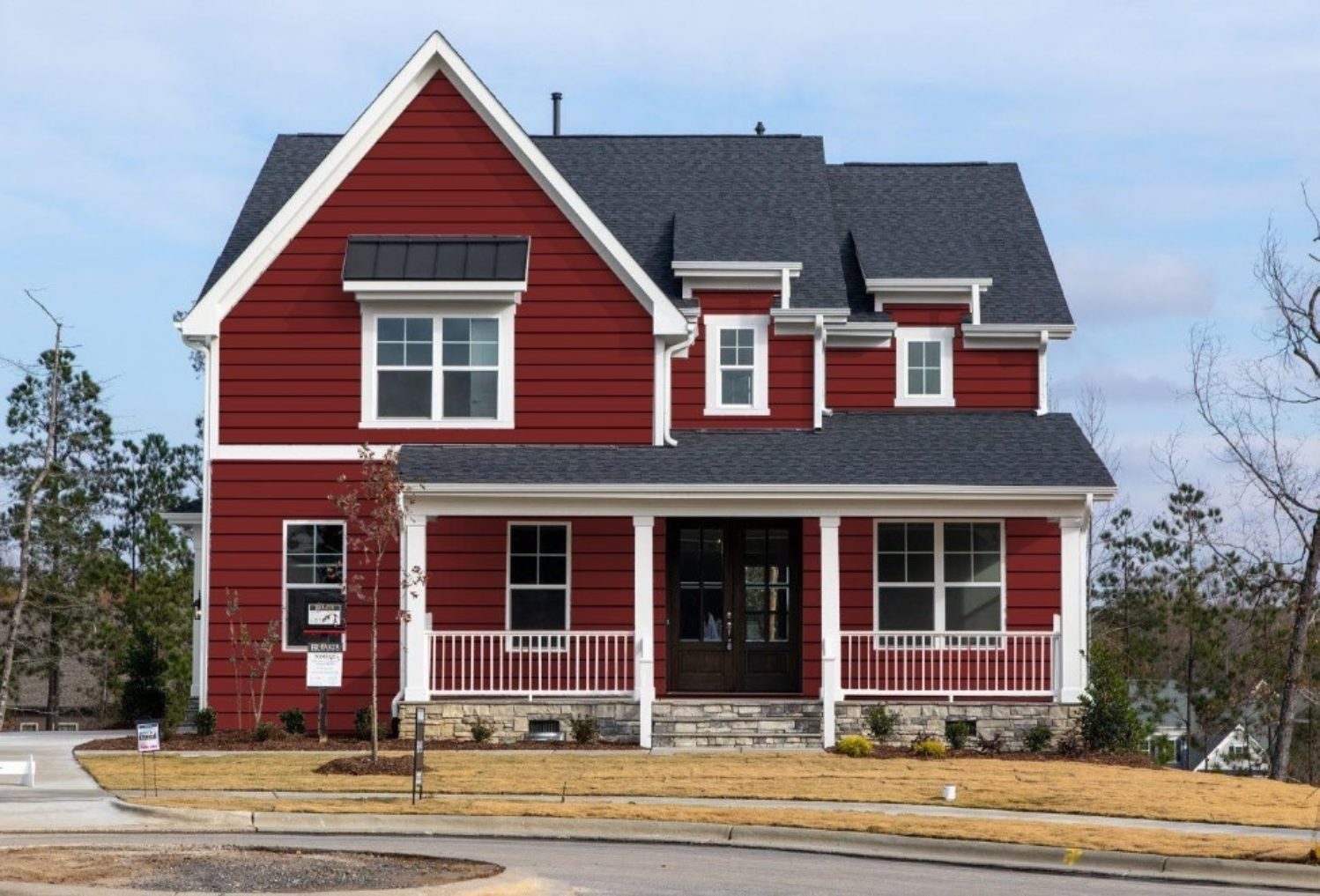
Allura Fiber Cement Dutch Lap Siding offers smooth, beveled panels with exceptional resistance to moisture and fire.
Benefits and Use Case
Allura siding is perfect for homeowners seeking a contemporary finish with superior weather resistance. It addresses wood siding’s vulnerability to water damage, ensuring long-term durability and minimal upkeep.
Nichiha Exterior Dutch Lap Siding
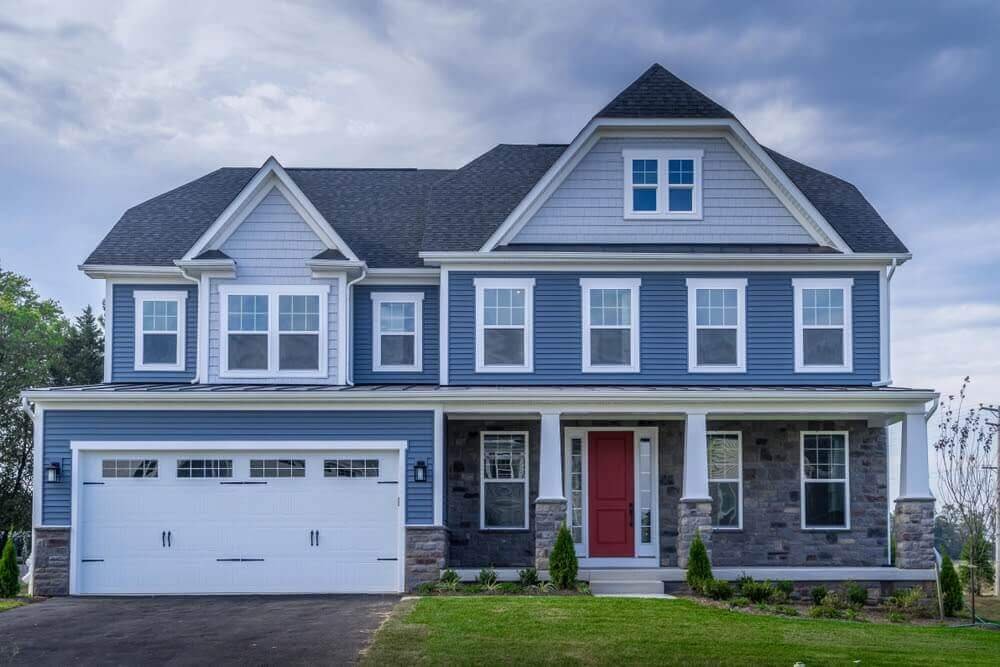
Nichiha Exterior Dutch Lap Siding provides fiber cement panels in a wide range of textures and colors. It combines durability with design flexibility for residential homes.
Benefits and Use Case
Nichiha siding resolves common issues like fading, cracking, and warping associated with traditional siding. It’s ideal for homeowners who prioritize aesthetics, longevity, and energy efficiency.
Cemplank Dutch Lap Siding

Cemplank Dutch Lap Siding offers pre-finished, durable fiber cement panels designed for residential and commercial projects.
Benefits and Use Case
Cemplank panels solve problems of high-maintenance wood siding, providing homeowners with fire-resistant, rot-resistant, and low-maintenance options. Its pre-finished nature reduces installation time and costs.
Why Homeowners Should Choose Dutch Lap Cement Siding
Solving Exterior Siding Challenges
Traditional wood siding often succumbs to rot, insects, warping, and frequent repainting. Solves these problems by providing a durable, low-maintenance, and fire-resistant alternative.
Proper installation ensures water and air cannot penetrate the panels, protecting the home’s structural integrity while reducing energy costs.
Long-Term Financial and Aesthetic Benefits
Dutch lap cement siding increases home value due to its durability, aesthetic versatility, and low maintenance. With proper installation, homeowners enjoy decades of protection and reduced repair costs.
Its classic design enhances curb appeal, making it an investment that combines functionality, beauty, and financial sense.
How to Buy Dutch Lap Cement Siding
Steps to Select the Right Product
-
Decide on preferred texture, color, and finish.
-
Evaluate product warranties and durability ratings.
-
Consult a certified contractor for installation recommendations.
-
Assess budget and home exterior needs.
Where to Buy
Dutch lap cement siding is available through manufacturers’ authorized dealers, home improvement stores, and certified contractors. Many provide online ordering, pre-finished options, and professional installation.
Frequently Asked Questions
1. Is Dutch lap cement siding worth the investment?
Yes. While the initial cost may be higher than vinyl or wood, offers long-term durability, low maintenance, fire resistance, and superior aesthetics, making it a cost-effective choice.
2. How long does Dutch lap cement siding last?
With proper installation and maintenance, can last 30–50 years or more, retaining structural integrity and appearance throughout its lifespan.
3. Can be painted or customized?
Yes. Most fiber cement siding, including Dutch lap panels, can be painted or customized to match desired colors or designs without affecting durability or warranty.