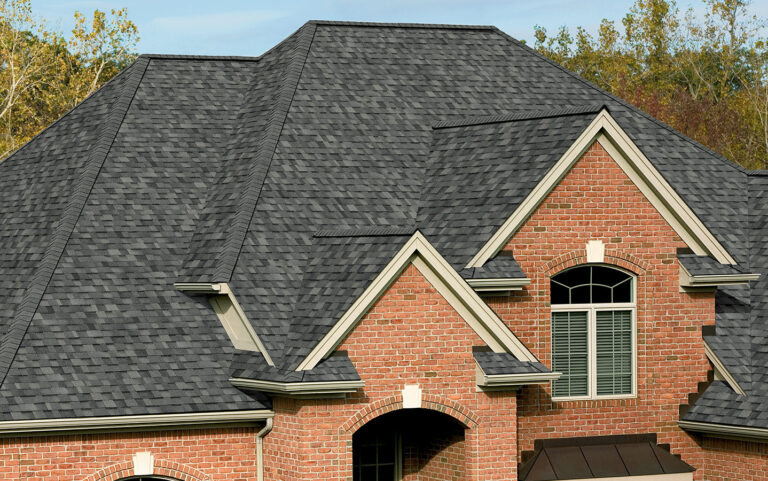
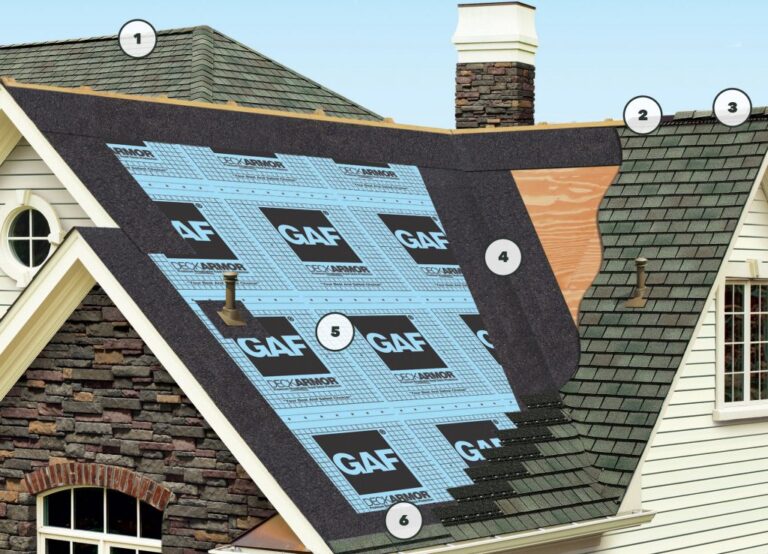
Roof Shingle Removal Tools: The Ultimate Guide to Removing Old Shingles Efficiently
Removing old shingles is one of the most important steps in any roofing project. Whether you are replacing a damaged roof, upgrading to modern shingles, or repairing underlying structures, the quality of your shingle removal process directly affects the durability and performance of the new roof. Using the right roof shingle removal tools can save time, reduce physical strain, and prevent costly mistakes.
Removing old shingles is not simply about tearing material off the roof. It requires precision, safety awareness, and proper equipment to avoid damaging roof decking, nails, gutters, and surrounding structures. This guide explains everything you need to know about removing old shingles, the tools required, their benefits, real-world products, use cases, and how to buy the best options available.
Understanding the Process of Removing Old Shingles
Removing old shingles is a systematic process that begins with preparation and ends with a clean, inspection-ready roof surface. The roof must be cleared of debris, nails, underlayment remnants, and damaged materials before installing new shingles. Skipping or rushing this process often leads to premature roof failure.
Traditional methods such as claw hammers and pry bars are still used, but modern roof shingle removal tools are specifically designed to increase speed and reduce fatigue. These tools allow contractors and homeowners to remove shingles in large sections while minimizing damage to the roof structure underneath.
Why Proper Roof Shingle Removal Matters
Proper removal of old shingles ensures that the new roofing materials adhere correctly and last for their intended lifespan. Leftover nails or uneven surfaces can puncture new shingles or cause leaks. Moisture trapped beneath old layers can also lead to mold growth and wood rot.
Using professional-grade roof shingle removal tools ensures a clean surface that allows roofers to identify structural issues early. This step prevents expensive repairs later and helps homeowners maintain compliance with building codes and manufacturer warranties.
Benefits of Using Roof Shingle Removal Tools
Increased Efficiency and Time Savings
Roof shingle removal tools are designed to remove multiple shingles at once. Instead of pulling individual shingles manually, these tools slide under rows of shingles and lift them cleanly. This significantly reduces labor time, especially on large roofs.
Faster removal also means reduced exposure to weather conditions and lower labor costs for professional roofing jobs. Homeowners completing DIY projects benefit from finishing the job faster without sacrificing quality.
Reduced Physical Strain and Improved Safety
Removing old shingles is physically demanding. Bending, lifting, and repetitive motions can cause back pain and fatigue. Specialized roof shingle removal tools feature ergonomic handles and leverage-based designs that minimize strain on muscles and joints.
Safety is also enhanced by better control and balance while working on sloped surfaces. Many modern tools include slip-resistant grips and reinforced blades to prevent accidents during tear-off.
Cleaner Roof Surface Preparation
Roof shingle removal tools help remove nails, felt paper, and debris more effectively. A clean roof deck allows for better inspection of damage, such as rotting wood or weakened structures. This leads to higher-quality roofing installations and longer-lasting results.
Technology Behind Modern Shingle Removal Tools
Modern roof shingle removal tools incorporate hardened steel blades, reinforced welds, and optimized blade angles to slide under shingles easily. Some tools feature serrated edges that grip nails and lift them out in one motion.
Advanced designs focus on weight distribution, allowing roofers to apply force efficiently without damaging the decking. This technology makes removing old shingles safer, faster, and more precise compared to traditional hand tools.
Top Real-World Products for Removing Old Shingles
1. Bully Tools 91130 Shingle Remover
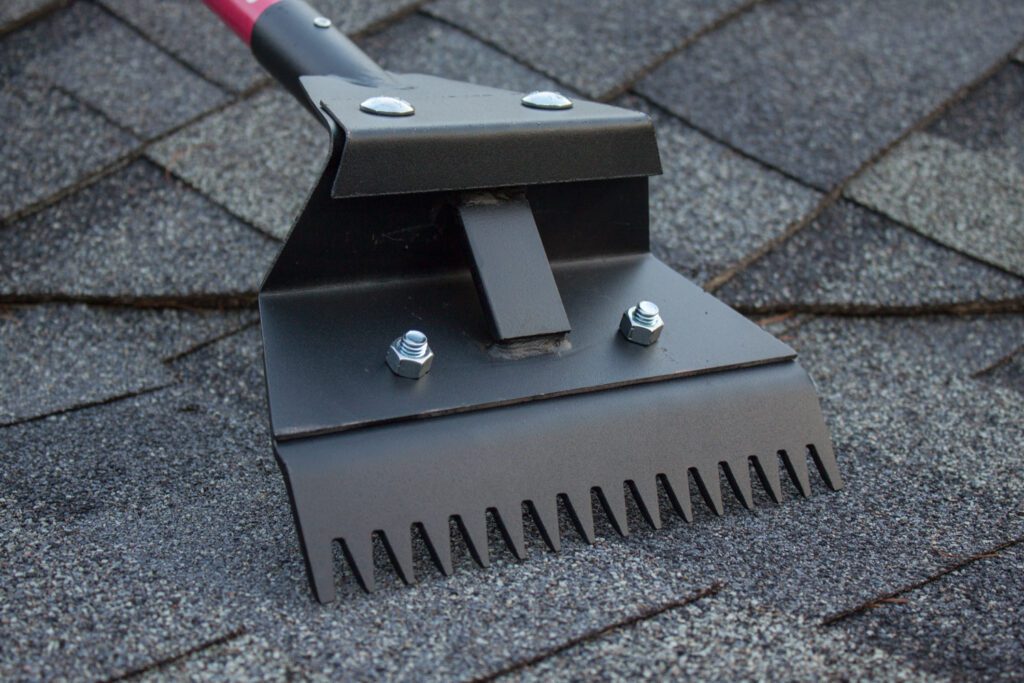
The Bully Tools Shingle Remover is a professional-grade tool built for heavy-duty roofing projects. It features a hardened steel blade that slides easily beneath shingles and nails, allowing for fast tear-off without excessive force.
This tool is ideal for contractors and homeowners dealing with thick asphalt shingles. Its long handle provides excellent leverage, reducing back strain and improving efficiency. The reinforced head ensures durability even during continuous use on large roofing jobs.
Benefits of Using This Product:
This shingle remover significantly reduces tear-off time while protecting the roof deck. Its durability makes it a long-term investment for frequent roofing projects.
2. Razor-Back Roofing Shingle Remover

The Razor-Back Shingle Remover is designed with a wide blade that removes multiple shingles in one pass. The tempered steel construction ensures resistance to bending or breaking under pressure.
This tool is especially useful for older roofs with brittle shingles that break easily. Its sharp leading edge lifts materials cleanly, making debris removal faster and more organized.
Benefits of Using This Product:
This product excels in speed and control, making it ideal for both DIY homeowners and professional roofers working under time constraints.
3. AMES Pro Shingle Remover

The AMES Pro Shingle Remover offers a balanced design with an ergonomic handle and reinforced blade. It is suitable for medium to large roofing projects and works well on asphalt and fiberglass shingles.
Its angled head allows users to work comfortably on sloped roofs without excessive bending. The tool’s construction helps reduce fatigue during extended use.
Benefits of Using This Product:
This tool provides excellent comfort and control, making it ideal for homeowners tackling multi-day roofing projects.
4. Malco Roofing Shingle Removal Tool
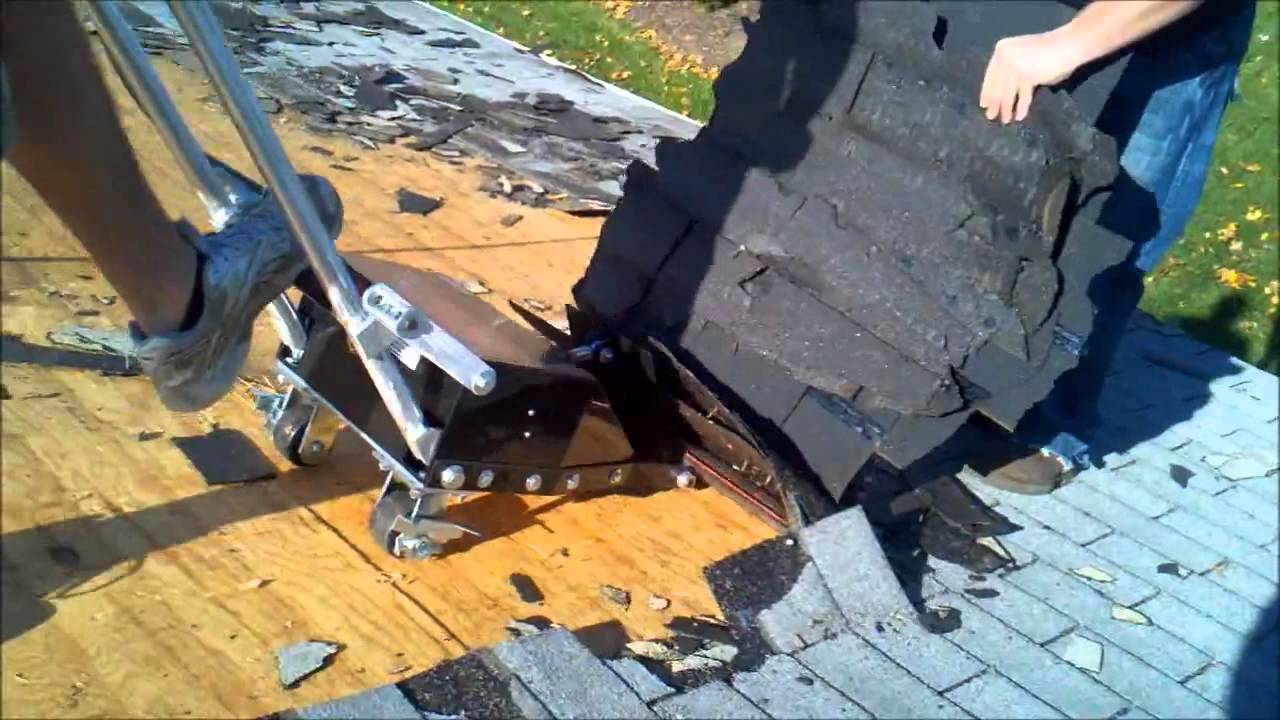
Malco’s shingle remover is engineered for precision and durability. Its narrow blade allows access to tight spaces and edges, making it ideal for detailed roof tear-offs.
This tool is especially helpful for removing shingles near chimneys, vents, and roof edges without damaging surrounding structures.
Benefits of Using This Product:
Perfect for precision work, this tool reduces the risk of accidental damage during complex roofing tasks.
Use Cases: Problems These Tools Solve
Roof shingle removal tools solve several critical problems. They eliminate the need for inefficient manual removal, reduce injury risk, and ensure proper roof preparation. Without these tools, projects take longer and often result in uneven surfaces that compromise new installations.
Homeowners benefit by completing projects safely and efficiently, while contractors increase productivity and maintain consistent quality. These tools are essential for anyone serious about roofing work.
Why People Need Roof Shingle Removal Tools
People need roof shingle removal tools because removing old shingles is not optional in proper roof replacement. Skipping this step or using improper tools leads to leaks, structural damage, and voided warranties.
These tools ensure compliance with roofing standards and provide peace of mind by ensuring the roof is properly prepared for new materials.
How to Buy Roof Shingle Removal Tools
When buying roof shingle removal tools, consider blade width, handle length, material strength, and ergonomic design. Choose tools made from hardened steel and reputable manufacturers.
Where to Buy
You can purchase high-quality roof shingle removal tools online from trusted retailers and manufacturer websites.
Frequently Asked Questions
1. Can I remove old shingles without specialized tools?
While it is possible, it is not recommended. Specialized roof shingle removal tools significantly improve safety, speed, and overall results.
2. How long does it take to remove old shingles?
The time depends on roof size and tool quality. With proper tools, most residential roofs can be stripped in one day.
3. Are roof shingle removal tools worth the investment?
Yes. They reduce labor, prevent injuries, and ensure proper roof preparation, making them a cost-effective investment.